Essential equipment moves water, processes waste, supplies oxygen, measures conditions, or enables safe care. Buy for the function and installed system, rather than collecting products from a generic must-have list.
A pond emergency plan should explain what to check, how to restore fish support, and whom to contact. Prepare it while the system is working. During an incident, human safety and the fish's breathing and balance take priority over making the water look clear.
Start with dependable life support, an appropriate ration, and habitat sized for the fish. These priorities work together. Use this overview to find the next detailed guide, rather than applying a generic dose or stocking number.
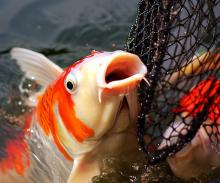
Prepare the destination and equipment before trying to catch a koi. The aim is a brief, controlled transfer with minimal chasing and support for the whole fish. Large koi and distressed fish are good reasons to ask an experienced keeper or fish veterinarian for help.
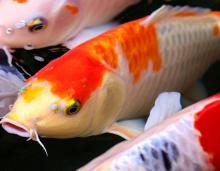
A koi show lets you see varieties and individual quality in a way that photographs cannot fully convey. As a visitor, you can learn a great deal by comparing fish calmly and respecting the organizers' handling and biosecurity rules.
Check the Event Before Traveling
Confirm the current venue, public hours, ticket arrangements, accessibility, and any restrictions with the organizer. Shows may be indoors or outdoors, large or small, and schedules can change. Judging or exhibitor setup periods may not offer normal public access.
Early koi keeping is often described through picturesque stories of mountain villages and palace ponds. Historical records give a more specific view: they show what people exhibited, recorded, and valued, while leaving many everyday details uncertain.
A Regional Breeding Tradition
Niigata's ornamental carp tradition grew through selection over generations. Farmers retaining attractive fish provided the basis for later specialist breeding. That broad history does not establish identical pond construction, feeding, or winter practices in every village or decade.
Koi imagery often suggests perseverance, good fortune, and transformation. Its meaning depends on the tradition, artwork, and person using it; there is no single symbolic code that applies to every pond or every fish.
Efficiency means delivering necessary care with less wasted power, water, and effort. Measure before changing equipment. Cutting electricity at the expense of oxygen or biological operation is not an improvement.
1. Match the Operating Point
Compare pumps at actual head and pipework, not maximum label flow. Restrictions, dirty screens, fittings, and excess lift reduce useful output. Respect filter and UV requirements. Use pump selection and record real flow and power before and after changes.
Good care habits make changes easier to notice and essential work harder to forget. Use brief observation, a written log, and equipment-specific tasks. Adjust frequency to conditions rather than assuming one weekly visit covers every pond.
Chagoi are brown koi, often appreciated for their understated color and readiness to approach a feeding area. Their reputation for friendliness is an observation from the hobby, not a promise about every individual.
Recognizing the Brown Variety
Chagoi can show different brown tones, from lighter tea-like shades to deeper brown. View the fish under representative lighting; reflections and photographs can shift perceived color. A predominantly gray fish may belong to another variety, so appearance deserves more attention than a casual 'earth-toned' label.