Find Your Next Step
Koi fish are ornamental carp kept for their colors, patterns, and character. They can become large, long-lived pond fish, so the best introduction combines identification with an honest look at space, care, and running costs.
- Considering koi? Start with our beginner koi care guide, then explore your first pond plan, adult pond capacity, and buying healthy fish.
- Already keeping koi? Use the daily and weekly care routine and feeding guide.
- Solving a problem? Check water and equipment, then use the symptom guide.
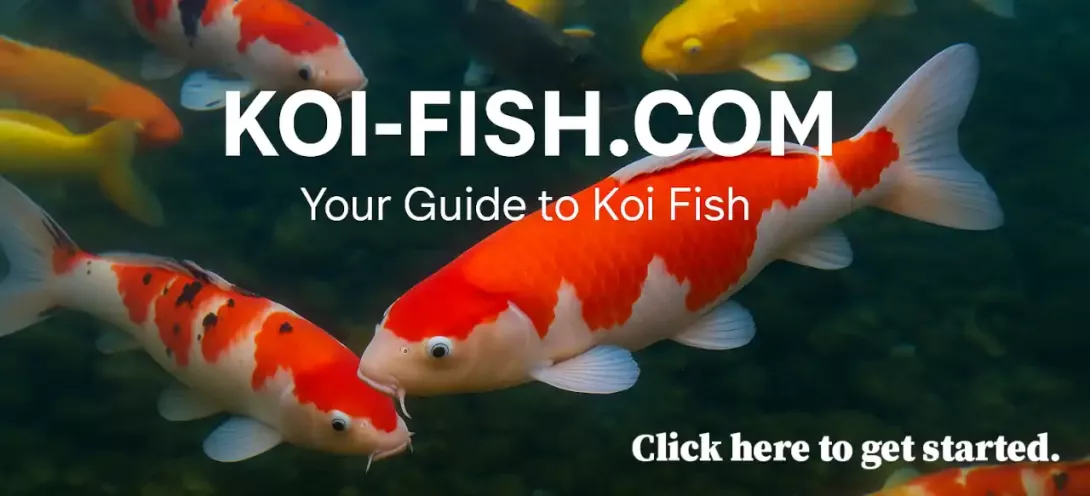
Koi Fish: The Complete Guide to Keeping Beautiful, Healthy Koi
Koi fish are more than colorful pond fish. They are living jewels, peaceful backyard companions, and one of the most rewarding fish to keep when you understand their needs. Whether you are planning your first koi pond, trying to improve your water quality, choosing new koi, or simply learning why these fish have fascinated people for centuries, this guide will help you get started the right way.
At Koi-Fish.com, our goal is to make koi keeping easier, clearer, and more enjoyable. This page is your starting point for learning about koi fish care, pond design, filtration, feeding, health, varieties, seasonal maintenance, and the common mistakes that beginners should avoid.
Koi Fish Fact Sheet
Here are the essential facts every new koi keeper should know before building a pond, buying koi fish, or planning a long-term koi care routine.
| Common Name | Koi fish, koi, Nishikigoi, ornamental carp |
|---|---|
| Scientific Background | Domesticated ornamental varieties of common carp |
| Best Environment | Outdoor pond with filtration, aeration, and stable water quality |
| Average Adult Size | Often 18 to 30 inches in a properly maintained koi pond |
| Potential Lifespan | Often 20 to 30 years, sometimes longer with excellent care |
| Diet | High-quality koi pellets, seasonal foods, and occasional treats |
| Temperament | Peaceful, social, curious, and often trainable |
| Beginner Difficulty | Moderate; koi are hardy, but pond size and water quality matter |
| Most Important Care Factor | Clean, stable water supported by proper mechanical and biological filtration |
What Are Koi Fish?
Koi fish are ornamental carp that have been selectively bred for color, pattern, body shape, and beauty. The word “koi” is commonly used to describe the colorful varieties of Cyprinus carpio, a hardy freshwater fish that can thrive in outdoor ponds when given proper space, clean water, good nutrition, and stable conditions.
Most people first notice koi fish because of their brilliant colors. Red, white, black, yellow, orange, blue-gray, metallic silver, and gold can appear in countless combinations. Some koi have bold, simple markings. Others have intricate patterns that seem hand-painted. A well-kept koi pond can feel like a moving piece of art, with each fish adding its own personality to the water.
But koi are not just decorative. They are intelligent, social, and long-lived fish. Many koi learn to recognize the people who feed them. Some will eat from your hand, follow you along the edge of the pond, or gather excitedly when they hear footsteps. For many pond owners, koi fish become part of the family.
Koi keeping is relaxing, but it is not effortless. Healthy koi require more than a hole in the ground filled with water. They need a properly sized pond, strong filtration, oxygen, stable water chemistry, protection from predators, and seasonal care. The good news is that once you understand the basics, koi fish are surprisingly resilient and can reward you with decades of enjoyment.
How Big Do Koi Fish Get?
One of the biggest surprises for new hobbyists is how large koi fish can become. Many koi are sold when they are only a few inches long, but they do not stay that size. In a small, crowded, poorly filtered pond, koi growth may be limited. In a larger pond with excellent water quality and proper nutrition, koi can grow impressively large.
A healthy adult koi commonly reaches 18 to 24 inches. With better genetics, more water volume, strong filtration, and excellent care, koi may reach 30 inches or more. This is why koi should not be treated like small decorative fish. They need room to swim, room to grow, and a pond system designed for their adult size.
When planning a koi pond, always think about the size your koi fish will become, not the size they are when you buy them. A pond that seems roomy for five small koi can become overcrowded once those fish mature. Overcrowding leads to poor water quality, slow growth, stress, disease outbreaks, and constant maintenance problems.
How Long Do Koi Fish Live?
Koi fish are famous for their long lifespan. With good care, many koi can live 20 to 30 years. Some live longer. Their longevity is one of the things that makes koi keeping so meaningful. You are not just buying fish for a season. You are creating an environment where they may live for decades.
Lifespan depends on several factors. Genetics matter, but environment matters just as much. Koi kept in clean, stable water with enough space, good food, oxygen, and protection from extreme stress usually live longer than koi kept in overcrowded or poorly filtered ponds.
The most common threats to koi longevity are poor water quality, sudden temperature swings, inadequate oxygen, parasites, bacterial infections, predator attacks, and chronic stress. Many koi health problems can be prevented by focusing on pond design and water management before problems appear.
The Ideal Pond for Koi Fish
A koi pond should be designed around the needs of koi fish, not just the look of the landscape. Beautiful stones, waterfalls, and plants are wonderful, but the pond must first function as a healthy aquatic environment. Koi produce a significant amount of waste, and that waste must be processed by filtration and beneficial bacteria.
A good koi pond should provide enough water volume, adequate depth, circulation, mechanical filtration, biological filtration, aeration, and safe edges. In many climates, depth also helps protect koi from temperature extremes. A deeper pond is usually more stable than a shallow one because water temperatures change more slowly.
For most serious koi ponds, bigger is better. More water volume gives koi fish more swimming space and gives the pond owner more room for error. Small ponds can work, but they require careful stocking and consistent maintenance. Large koi in a small pond can quickly overwhelm the filtration system.
When designing a pond for koi fish, consider these basic priorities:
- Enough depth for temperature stability and predator protection
- Enough total volume for the number and adult size of the koi
- Bottom drains or good circulation to prevent waste buildup
- A skimmer to remove floating debris
- Mechanical filtration to remove solids
- Biological filtration to process ammonia and nitrite
- Aeration to support fish and beneficial bacteria
- Safe pond edges that reduce injury risk
If you are still in the planning stage, spend extra time learning about pond construction before you dig. Many expensive koi pond problems begin with design shortcuts. It is much easier to build the pond correctly the first time than to fix a pond that is too shallow, too small, hard to clean, or poorly filtered.
Start with our koi pond building guide if you are planning a new pond or upgrading an existing one.
Koi Fish and Water Quality
Water quality is the foundation of koi fish health. Clear water is nice, but clear water is not always safe water. A pond can look clean and still contain dangerous levels of ammonia, nitrite, or unstable pH. That is why every koi keeper should understand the basics of pond water testing.
The most important water quality parameters for koi fish include ammonia, nitrite, nitrate, pH, KH, temperature, and oxygen. Ammonia is produced from fish waste, uneaten food, and decaying organic matter. Beneficial bacteria convert ammonia into nitrite, and then nitrite into nitrate. This process is called the nitrogen cycle.
Ammonia and nitrite are dangerous to koi fish. Even low levels can cause stress, gill damage, flashing, lethargy, and increased disease risk. Nitrate is less toxic, but high nitrate can still contribute to poor health and algae problems. Regular water changes, good filtration, proper stocking, and careful feeding help keep these compounds under control.
pH stability is also important. Koi can tolerate a range of pH values, but sudden swings are stressful. KH, or carbonate hardness, helps buffer pH and prevent dangerous crashes. Many new pond owners test pH but ignore KH, which can lead to confusion when pH suddenly drops.
Oxygen is another key factor. Warm water holds less oxygen than cold water, and koi need oxygen to survive. Beneficial bacteria also need oxygen to process waste. Waterfalls, air pumps, bottom aeration, and good circulation can all help maintain oxygen levels.
If you want healthy koi fish, make water testing part of your routine. Test more often in new ponds, after adding fish, after heavy feeding, during heat waves, after medication, and anytime the koi behave strangely.
Learn more in our koi pond water quality guide and our article on the nitrogen cycle in koi ponds.
Filtration for Koi Fish Ponds
Koi fish need strong filtration because they are large, active fish that produce a lot of waste. A simple decorative pond filter may work for a small water garden, but koi ponds usually require more serious filtration. The goal is not only to make the water look clear. The goal is to remove solid waste and support the beneficial bacteria that keep the pond biologically safe.
A complete filtration system usually includes mechanical filtration and biological filtration. Mechanical filtration captures physical debris such as fish waste, leaves, uneaten food, and suspended particles. Biological filtration provides surface area where beneficial bacteria can live and convert toxic ammonia and nitrite into less harmful nitrate.
Some koi ponds also use ultraviolet clarifiers, commonly called UV lights. UV clarifiers can help control green water algae by exposing free-floating algae cells to ultraviolet light. A UV unit does not replace filtration, but it can be a useful part of a complete pond system.
Common filtration components for koi fish ponds include:
- Bottom drains
- Skimmers
- Settlement tanks
- Sieve filters
- Bead filters
- Moving bed filters
- Shower filters
- Mat filters
- UV clarifiers
- Air pumps and diffusers
The best filtration setup depends on pond size, fish load, budget, maintenance preferences, and climate. The most important rule is to size filtration for the future. If you plan to keep koi fish for years, your filtration should be able to handle larger adult koi, not just small young fish.
Under-filtered ponds often become frustrating. The water may turn green, debris may collect on the bottom, ammonia may spike, and fish may become stressed. Upgrading filtration later can be expensive, so it is wise to plan carefully from the beginning.
Visit our koi pond filtration guide for help choosing the right system.
What Do Koi Fish Eat?
Koi fish are omnivores, which means they can eat a variety of plant and animal-based foods. In a pond, they may nibble on algae, insects, plant matter, and small organisms. However, their main diet should be a high-quality koi food designed to support growth, color, immune health, and digestion.
Most pond owners feed floating koi pellets because they allow you to watch the fish eat. Floating food also makes it easier to notice appetite changes, injuries, ulcers, parasites, or fish that are not coming up with the group.
Koi feeding should change with water temperature. In warm water, koi are more active and digest food more efficiently. In cooler water, their metabolism slows down. Feeding too much during cool conditions can cause digestive problems and water quality issues. Many koi keepers switch to a wheat germ-based food in cooler seasons and reduce feeding as temperatures drop.
A good koi fish feeding routine should consider:
- Water temperature
- Fish size and number
- Season
- Filtration capacity
- Water quality test results
- Whether the fish finish the food quickly
Overfeeding is one of the most common beginner mistakes. Uneaten food decays, adds waste, increases ammonia, and can create poor water conditions. It is usually better to feed modest amounts that koi consume quickly than to dump in large quantities.
Treats can be fun, but they should not replace a balanced koi diet. Some koi enjoy foods such as watermelon, orange slices, shrimp, lettuce, peas, or silkworm pupae. Always use treats carefully and remove uneaten pieces before they foul the water.
For more detail, see our koi fish feeding guide.
Popular Koi Fish Varieties
One of the most enjoyable parts of the hobby is learning koi varieties. Koi fish are classified by color, pattern, scale type, metallic sheen, and other visual traits. Some varieties are traditional and highly respected. Others are newer, flashy, or especially popular among backyard pond owners.
The most famous koi variety is probably Kohaku. A Kohaku is a white koi with red markings. The concept sounds simple, but high-quality Kohaku can be breathtaking. The white should be clean, the red should be strong, and the pattern should be balanced.
Sanke and Showa are also classic varieties. Both feature red, white, and black, but the placement and role of black markings differ. To beginners, they may look similar at first. As you learn more, the differences become easier to see and appreciate.
Other popular koi fish varieties include:
- Kohaku: White body with red markings
- Taisho Sanke: White body with red and black markings
- Showa Sanshoku: Black-based koi with red and white markings
- Utsuri: Black koi with white, red, or yellow markings
- Bekko: White, red, or yellow koi with black markings
- Asagi: Blue-gray netted pattern with red or orange accents
- Shusui: Doitsu version of Asagi with large mirror-like scales
- Ogon: Solid metallic koi, often gold, platinum, or orange
- Ginrin: Koi with sparkling reflective scales
- Butterfly Koi: Koi with long flowing fins
You do not need to become a koi judge to enjoy koi fish. Many pond owners simply choose fish they love. However, learning the varieties can make the hobby more rewarding and help you make better buying decisions.
Explore our koi fish varieties guide to learn how to identify different types of koi.
How to Choose Healthy Koi Fish
Buying koi fish is exciting, but it is important to choose carefully. A beautiful koi is not a good purchase if it is unhealthy, weak, or likely to introduce disease into your pond. Before buying koi, observe their behavior, body shape, skin quality, fins, and the conditions of the tank or pond where they are being held.
Healthy koi should swim normally, respond to movement, and show steady balance in the water. Avoid koi that isolate themselves, gasp near the surface, clamp their fins, roll to one side, flash repeatedly, or sit motionless on the bottom. These behaviors may indicate stress, parasites, poor water quality, or illness.
Look closely at the body. A healthy koi fish should not have open sores, red patches, missing scales, cloudy eyes, torn fins, fuzzy growths, or obvious deformities. The body should look smooth and well-proportioned. The fish should not appear extremely thin or swollen.
It is also smart to consider the seller. Good koi dealers care about quarantine, water quality, proper handling, and honest advice. They should be willing to answer questions about the koi’s origin, health, size, age, and care requirements.
New koi should be quarantined before being added to your main pond. Quarantine gives you time to observe the fish, reduce the risk of spreading parasites or disease, and help new koi recover from shipping or transport stress. Skipping quarantine is one of the most expensive mistakes a koi keeper can make.
Seasonal Koi Fish Care
Koi fish care changes throughout the year. A pond is not the same in spring, summer, fall, and winter. Temperature affects feeding, oxygen levels, filtration, algae growth, disease risk, and koi behavior.
Spring Koi Care
Spring is a critical season because koi are coming out of winter with slower immune systems. As water warms, parasites and bacteria may become active before the fish are fully strong. Test water, restart or inspect equipment, remove debris, increase aeration, and begin feeding carefully as temperatures allow.
Summer Koi Care
Summer usually brings stronger feeding, faster growth, and more activity. It also brings heat, lower oxygen levels, algae blooms, and higher waste production. During hot weather, aeration becomes especially important. Avoid overfeeding during heat waves, and monitor water quality closely.
Fall Koi Care
Fall is preparation season. Remove leaves, reduce feeding as water cools, clean filters appropriately, and prepare winter equipment. A pond covered in decaying leaves can create poor water conditions heading into winter.
Winter Koi Care
In cold climates, koi fish slow down dramatically during winter. They should not be fed when water temperatures are too low for digestion. The pond should maintain gas exchange through an opening in the ice, but the fish should not be disturbed unnecessarily. Proper winter care begins long before the first freeze.
Seasonal care is one of the keys to long-term koi health. Build your routine around the water temperature, not just the calendar.
Can Koi Fish Live With Goldfish?
Koi fish can often live with goldfish in outdoor ponds, but there are a few things to consider. Both are coldwater fish, and both can do well in ponds. However, koi grow much larger than most goldfish and can outcompete them for food. Koi also produce more waste, which means the pond must be filtered for the total fish load.
If you keep koi and goldfish together, make sure the pond is large enough, the water quality is stable, and all fish are getting food. Avoid mixing very tiny goldfish with large koi. Also remember that both koi and goldfish can reproduce in ponds, which may lead to overcrowding if you are not careful.
Can Koi Fish Live in an Aquarium?
Koi fish are sometimes sold when they are small enough to fit in an aquarium, but they are not ideal aquarium fish for long-term care. They grow large, produce a lot of waste, and need more swimming space than a typical home aquarium provides.
A very young koi can be held temporarily in a large indoor tank or quarantine system, but permanent aquarium life is usually not appropriate. If you want indoor fish with a koi-like appearance, fancy goldfish may be a better option. If you want true koi fish, plan for an outdoor pond or a very large specialized indoor system.
How Much Do Koi Fish Cost?
Koi fish prices vary widely. Small pond-grade koi may be affordable for beginners, while high-quality Japanese koi from respected bloodlines can cost hundreds, thousands, or even more. Price depends on size, variety, pattern, body shape, skin quality, breeder, potential, and overall quality.
Beginners do not need to buy expensive koi to enjoy the hobby. In fact, it is often smarter to start with healthy, reasonably priced koi while you learn pond management. The most expensive koi in the world will not thrive in poor water. A modest koi in an excellent pond will usually be far more rewarding than an expensive koi in an unhealthy environment.
When budgeting, remember that the fish are only part of the cost. The pond, filtration, pumps, plumbing, aeration, food, test kits, maintenance supplies, winter equipment, and possible treatments all matter. Koi keeping is most successful when the pond system is treated as the main investment.
Are Koi Fish Good for Beginners?
Koi fish can be good for beginners who are willing to learn before they buy. They are hardy, friendly, and enjoyable, but they are not maintenance-free. The beginner who succeeds with koi is usually the person who focuses first on the pond system.
If you want a tiny, low-maintenance container pond, koi are probably not the best choice. Goldfish or small pond fish may be more appropriate. If you are excited to build a real pond, learn water quality, and care for fish that may live for decades, koi can be an excellent hobby.
A good beginner plan is to start with a properly designed pond, a modest number of healthy koi, reliable test kits, and a feeding routine that matches the season. Learn to keep water stable before adding more fish.
Frequently Asked Questions About Koi Fish
Are koi fish hard to take care of?
Koi fish are not hard to enjoy, but they do require proper pond design and water management. The most important parts of koi care are enough space, good filtration, oxygen, stable water quality, proper feeding, and regular observation.
How many koi fish can I keep in my pond?
The answer depends on pond volume, filtration, oxygen, maintenance routine, and the adult size of the koi. It is better to understock than overstock. Too many koi can lead to poor water quality, slow growth, stress, and disease.
Do koi fish need a filter?
Yes. Koi fish produce a lot of waste, and a filter helps remove solids and support beneficial bacteria. A koi pond should have both mechanical and biological filtration.
Do koi fish need air pumps?
Aeration is highly recommended. Koi need oxygen, and beneficial bacteria in the filter also need oxygen. Air pumps, diffusers, waterfalls, and good circulation can all help maintain healthy oxygen levels.
What is the best food for koi fish?
The best food is a high-quality koi pellet matched to the season and water temperature. Growth foods, color foods, staple diets, and wheat germ foods all have their place depending on conditions.
Can koi fish survive winter?
Koi fish can survive winter in many climates if the pond is deep enough, water quality is good, and gas exchange is maintained. They should not be fed when the water is too cold for digestion.
Why are koi fish so expensive?
Some koi are expensive because of their breeder, bloodline, size, body shape, skin quality, color, pattern, and show potential. However, many beautiful pond-quality koi are available at beginner-friendly prices.
Can koi fish recognize people?
Many koi learn to recognize the people who feed them. They may come to the surface, follow movement along the pond edge, or eat from your hand once they feel safe.
What is the difference between koi fish and goldfish?
Koi and goldfish are related, but koi usually grow much larger and are best suited for larger outdoor ponds. Goldfish are generally smaller and can be better for small ponds or aquariums.
What should I do before buying koi fish?
Before buying koi, make sure your pond is ready, your filtration is working, your water is tested, and you have a quarantine plan. It is better to prepare first than to fix problems after fish are already stressed.
Plan for the Cost of Keeping Koi
The fish is only one part of the budget. Include construction, filtration, aeration, electricity, replacement water, food, testing, quarantine, and maintenance. Size and equipment influence both the first bill and the routine work. Use the pond budget guide and pump running-cost example before making a purchase.
Learn to Identify Your Koi
Compare color, pattern, scales, and metallic finish in the visual variety directory. A fish can have several descriptive features at once, so a single color is rarely enough for reliable identification.