
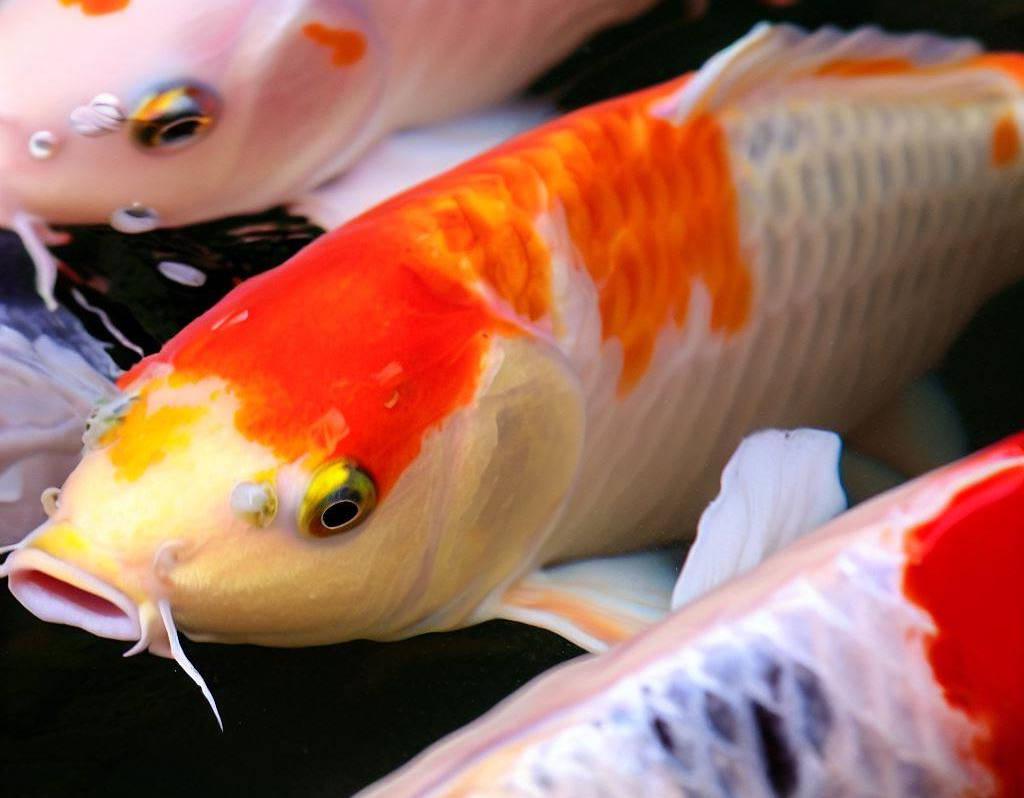
Early koi keeping is often described through picturesque stories of mountain villages and palace ponds. Historical records give a more specific view: they show what people exhibited, recorded, and valued, while leaving many everyday details uncertain.
A Regional Breeding Tradition
Niigata's ornamental carp tradition grew through selection over generations. Farmers retaining attractive fish provided the basis for later specialist breeding. That broad history does not establish identical pond construction, feeding, or winter practices in every village or decade.
The 1914 Records
Ojiya's preserved material from the Tokyo Taisho Exposition includes fish illustrations and associated written documents. These offer evidence of the fish represented and the work of organizing their exhibition. They are more useful for a dated account than an imagined description of every historical garden.
Pictures Are Evidence with Limits
An illustration can record pattern, size information, or a contemporary name, depending on its annotations. It is not a photograph of the entire husbandry system. Treat any inference about filtration, stocking density, or daily care as an inference unless additional records support it.
Royal Attention and Wider Recognition
The exhibition helped ornamental carp gain wider attention, including imperial interest. That milestone should not become a claim that only wealthy people kept koi, or that international trade was already widespread in the same year. Recognition, local breeding, and later global distribution developed on different timelines.
Learn from History Without Copying Care
Historical practices operated with different resources and conditions. Rice, pond mud, and plants are not a complete modern care prescription for a stocked ornamental system. View the Ojiya exhibition-document inventory for the record collection. Read the chronological history and the wider heritage guide alongside it.