
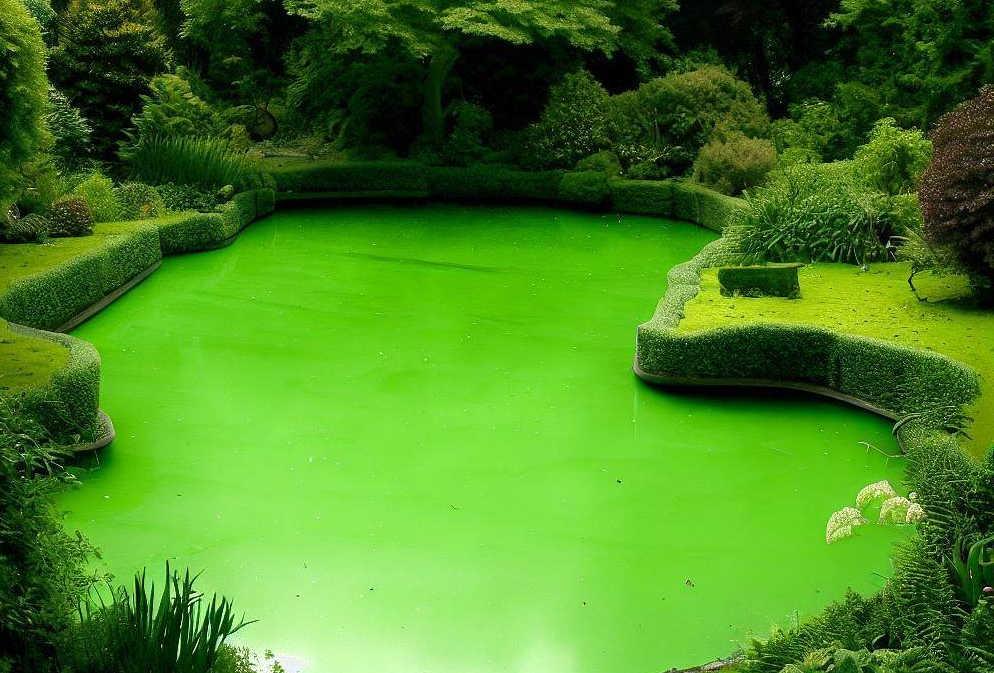
For confirmed suspended green-water algae, combine suitable clarification with control of the inputs sustaining the bloom. First use the diagnosis guide if the water type is uncertain. Fish distress takes priority over restoring the view.
Step 1: Establish a Baseline
Record appearance, breathing, actual flow, temperature, ammonia, nitrite, pH, and alkalinity. Measure oxygen where possible, particularly at vulnerable times. Note recent feeding changes, stocking, rain, runoff, filter service, and products. This allows you to compare the result rather than rely on memory.
Step 2: Reduce Avoidable Inputs
Measure feeding and remove accessible leftovers and collected solids. Prevent garden runoff and leaf accumulation where practical. Do not starve fish indefinitely to chase algae; match the ration to their condition and system. More filter media or a bacteria bottle does not automatically export nutrients from the pond.
Step 3: Check the UV Route
If using UV for suspended algae, verify the actual model, flow, lamp condition, sleeve, and installation against its instructions. Provide downstream mechanical collection and maintain it as material accumulates. Use UV troubleshooting before buying another lamp simply because the water is still green.
Step 4: Manage Light and Water Carefully
Suitable shade can reduce exposure without closing off observation or gas exchange. Compare pond and source water before a replacement plan; source water can also contain nutrients or disinfectants. Plants can help with shade and uptake but are not a cure or a replacement for oxygen support.
Step 5: Recheck and Adjust
Monitor fish and chemistry through clearing. A fixed one-week deadline is not a guarantee. Large algae die-offs can increase oxygen demand and waste, so avoid casual algaecide use or stacked products. If fish gasp, roll, or deteriorate, obtain urgent support alongside system checks.
Prevent Recurrence
Keep the effective maintenance and input controls, then review whether actual filtration and feeding fit the population. Use clarity maintenance and scheduled care instead of repeating a treatment whenever the tint returns.