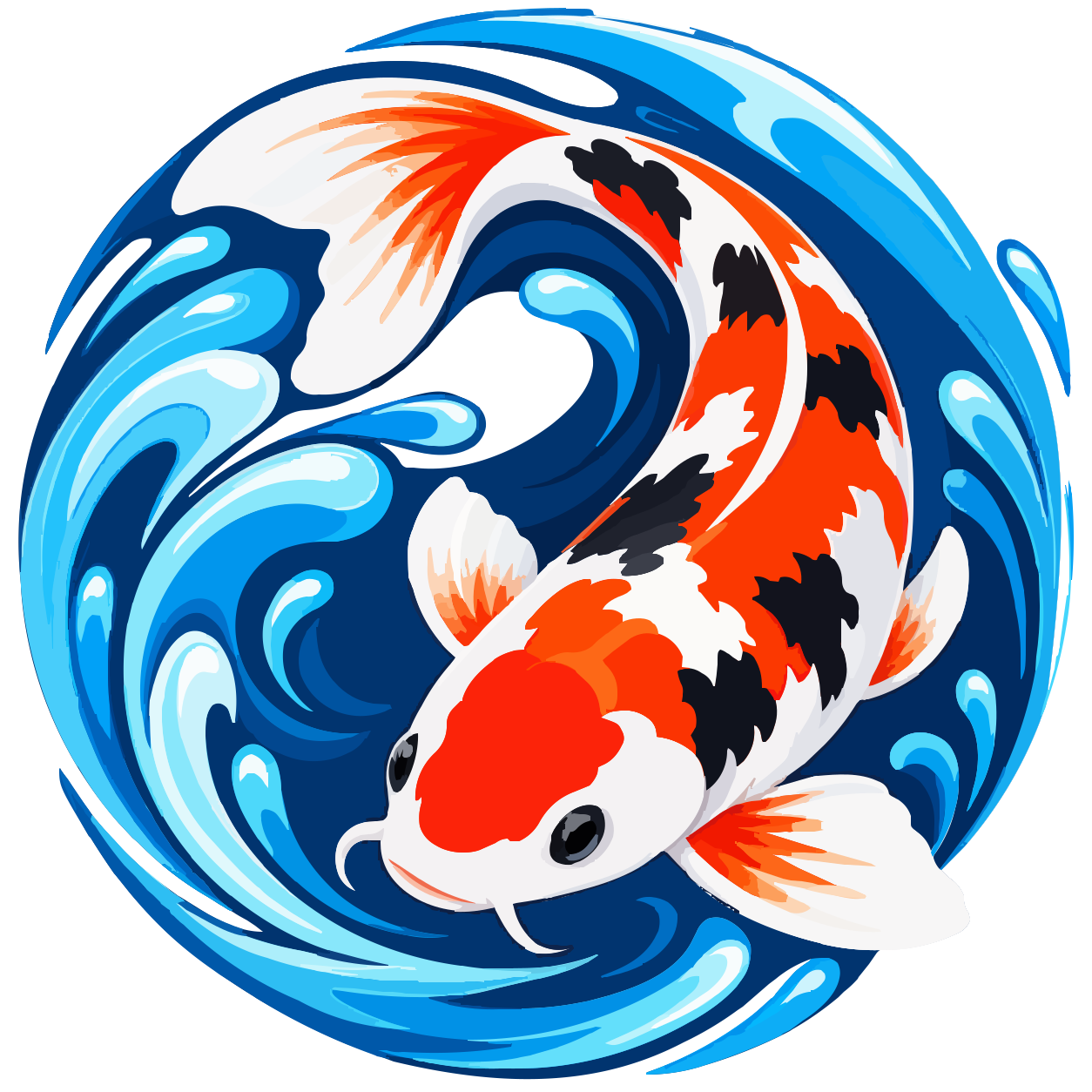
A koi pond can improve the way you use your garden through a focal point, a place to sit, and an activity to share. Plan those three benefits around the home you already have. A bigger waterfall or more fish is not automatically a better result.
1. Give the Garden a Focal Point
A visible water surface and a clear route toward it can organize a disconnected yard. Look from the house as well as the pond edge: windows, reflections, planting height, and equipment screening affect the view. Use repeated materials rather than unrelated ornaments. Leave access to filters and valves.
2. Create a Place to Pause
Test a chair position before building a deck or gazebo. Consider shade, afternoon glare, waterfall sound, wind, and the route back to the house. A view you can enjoy comfortably is often more useful than a dramatic feature that is awkward to reach. Follow seating planning and paths and planting.
3. Make Observation a Shared Activity
Guests can compare patterns, notice individual habits, and photograph fish without touching or chasing them. Explain where to stand and keep children supervised. If feeding is appropriate, provide a measured portion from the normal allowance rather than letting each visitor add food. Share pond activities with your household.
Check the Tradeoffs First
- Waterfall sound can be pleasant from a seat and intrusive near a bedroom.
- Plants soften edges while adding leaves and potentially blocking service access.
- Raised edges improve viewing but still need a complete safety plan.
- Extra lights add maintenance, wiring, and nighttime glare.
Plan for Use, Care, and Cost
Draw the viewing route and maintenance route on the same plan. Keep both workable in wet weather. Include equipment noise and ongoing water and power costs. There is no guaranteed resale increase; make the improvement worthwhile for your own use. Start with illustrated pond ideas and the design-and-care checkpoints.