
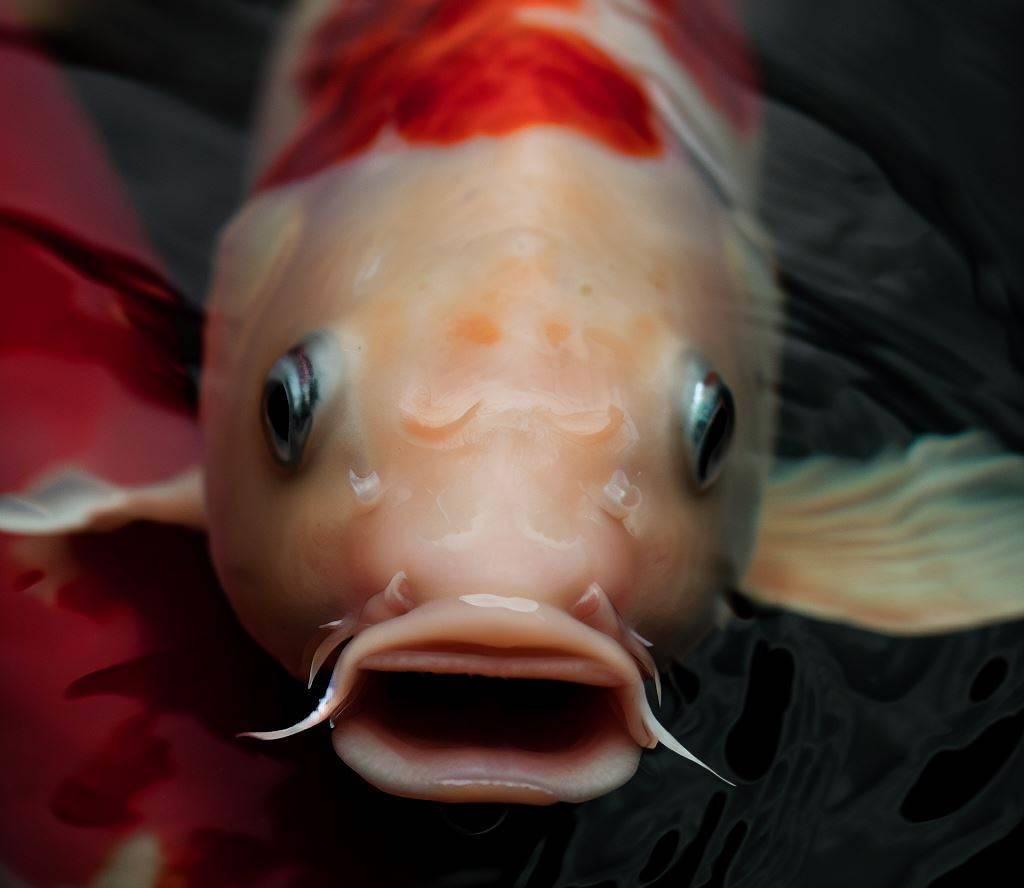
Koi behavior makes more sense when you watch the group over time. Feeding responses, loose gatherings, and seasonal activity can be ordinary, while sudden changes deserve a closer look.
Swimming Together
Koi often gather or follow one another, especially around feeding and disturbance. That is not evidence of a permanent hierarchy or a human-like friendship. Observe the whole pond as well as individuals: whether fish spread out, breathe comfortably, and can reach food matters more than assigning a leader.
Searching for Food
Koi investigate surfaces and take items into their mouths while foraging. They are omnivorous carp, rather than fish that eat only pellets. Suitable prepared food helps provide a balanced ration; random scraps, constant treats, and uneaten food increase management problems.
Approaching the Keeper
A fish may learn that a familiar location, movement, or container predicts food. Approach behavior varies and can change with conditions. Enjoy voluntary interaction without chasing or catching fish to make them tame. A fish taking food from a hand is not automatically healthy or compatible with every pond mate.
Chasing During Spawning
Spawning activity can involve persistent chasing and contact, with a risk of injury. Adults may consume eggs or fry and do not provide the parental care a beginner might expect. Repeated chasing, wounds, or exhaustion should not be dismissed as harmless play. Check the situation and seek experienced help when needed.
Notice Changes from the Baseline
Sudden isolation, unusual rubbing, persistent surface breathing, loss of appetite, or impaired swimming deserves investigation. Start with equipment and water checks while arranging help for serious distress. Use the detailed behavior guide, spawning guidance, and recognizing stress to interpret the next step.