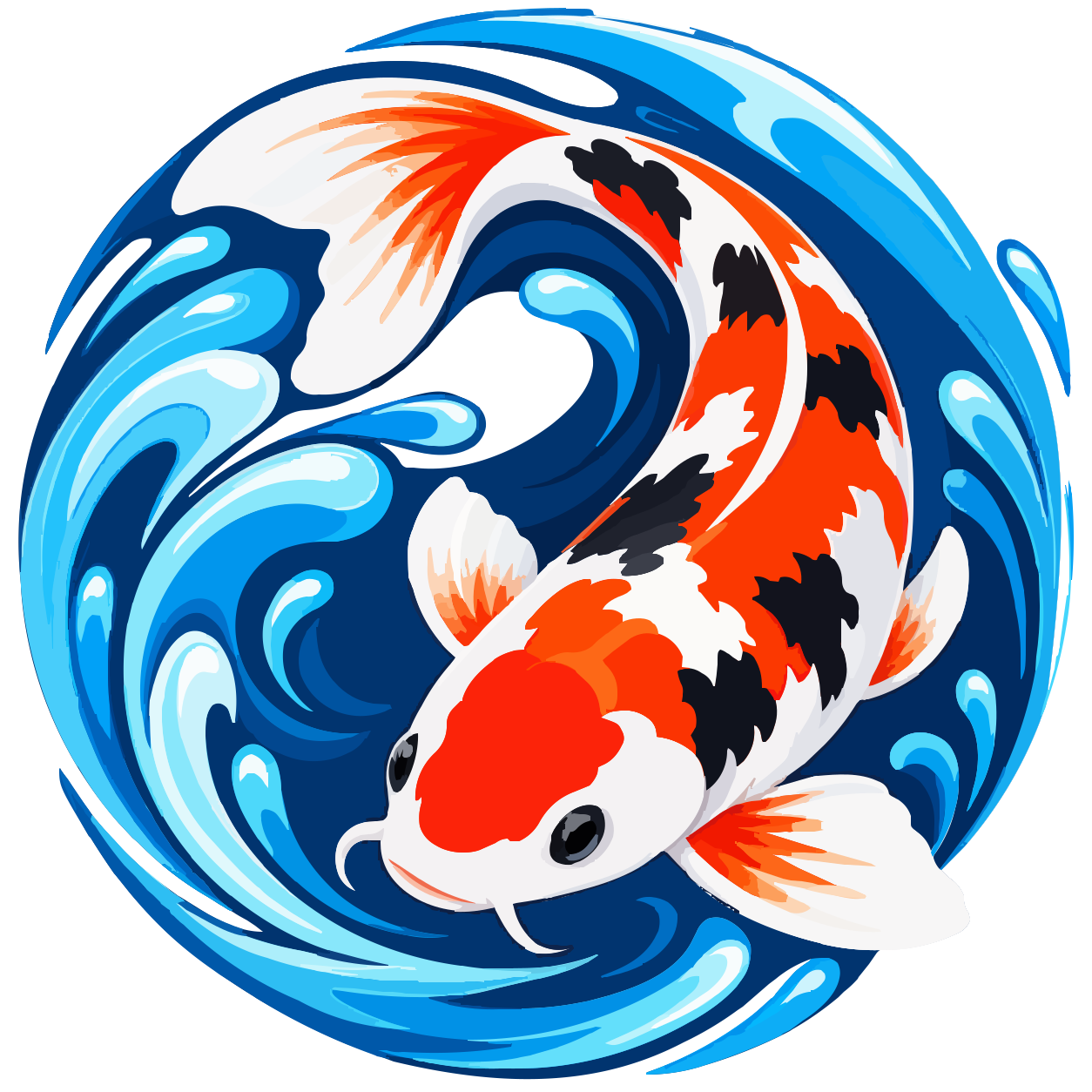
You do not need to know every variety name to enjoy a koi pond. Start by watching, then ask what you are seeing. Color, scales, movement and the surrounding habitat offer different ways into the hobby.
1. Color Is Only Part of the Pattern
Look at how markings sit across the body, not just which color stands out first. Red and white, black and white, or several colors can appear in different named varieties. Individual fish vary within those descriptions, and patterns may change as fish mature.
2. Scales and Shine Are Separate Details
Some koi have a full covering of scales; doitsu koi have reduced scaling. Metallic sheen is another characteristic. A shiny fish is not automatically a particular color variety. Our classification guide helps separate these features.
3. Routine Shapes What You See
Some koi approach a familiar feeding location, while others hang back. Watch several visits before deciding that one fish is always bold or another is always shy. Feeding associations are interesting, but they do not establish human-like feelings or thoughts.
4. The Pond Is Part of the Picture
A clear surface can hide water-quality trouble. Look for steady return flow, access to maintenance and sufficient space as well as attractive landscaping. A photograph shows the view; water tests and pond records tell you more about the habitat.
5. The History Leads Back to Niigata
Selective breeding in Japan’s Niigata region shaped the development of ornamental koi. Their wider recognition includes the 1914 Tokyo exhibition. Read the history guide for context rather than relying on romantic tales about every koi being a royal fish.
Turn Curiosity into a First Step
If you are considering ownership, read getting started with koi keeping before purchasing fish. If you simply enjoy visiting ponds, observe quietly, follow the owner’s rules and feed only with permission. The best introduction may be an unhurried visit and a few thoughtful questions.