
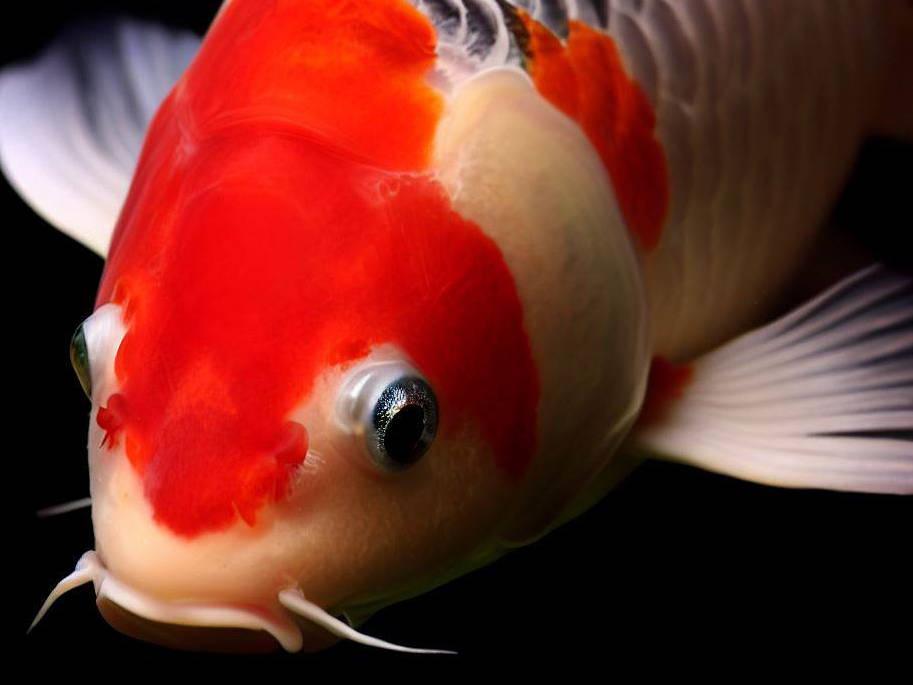
Collecting koi can reward an eye for color, body form, and individual development. It also involves continuing animal care. A collection's enjoyment is much easier to plan for than its future resale value.
Set a Purpose for the Collection
Decide whether you want contrasting pond varieties, a particular breeding line, show participation, or a few familiar companions. Those aims lead to different purchases. A fish you enjoy observing does not need a high asking price or competitive award to earn its place.
Capacity Comes Before Another Purchase
Every addition changes the adult group and system load. Keep space for quarantine and consider future size before buying a small fish. A visually balanced collection is not a stocking plan. An empty-looking pond can still have limits set by oxygen, filtration, or maintenance capacity.
Value the Individual, Not Just the Label
Ask about origin, representative appearance, known age information, and health history. A famous farm, attractive name, or seller's 'investment quality' label does not ensure a future champion. Predictions about development should be recorded as expectations, separate from documented facts.
Keep the Ownership Costs Visible
Track purchases alongside food, electricity, water, tests, maintenance, transport, and veterinary support. Show entry or specialist holding arrangements can add costs. Decide what you can comfortably spend without depending on a later sale to fund the fish's care.
Resale Needs a Real Buyer
Future condition, buyer preferences, logistics, and timing affect whether a sale is possible. An advertised price is not evidence of a completed sale, and paper appreciation does not pay running costs. Use purchase budgeting, premium-price factors, and judging criteria to compare choices without treating live fish as assured financial returns.