
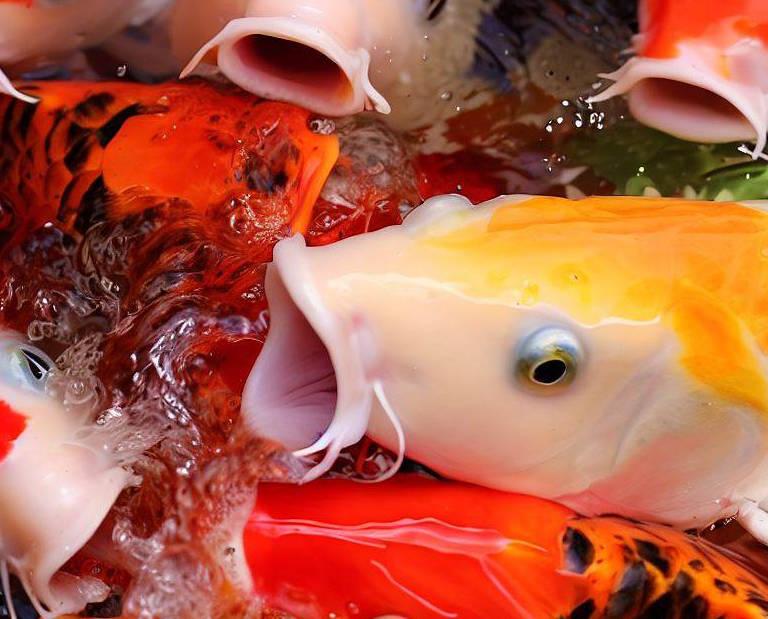
Choose pellet buoyancy for feeding access and observation, then compare nutritional suitability separately. Floating and sinking foods can both be complete diets, but buoyancy alone does not prove quality or cure a health problem.
Compare the Practical Differences
FeatureFloating foodSinking foodObservationUsually easier to see who takes foodMay need clear water and close monitoringLeftoversOften easier to collectCan hide on the bottom or among debrisFish preferenceSuits comfortable surface feedingCan suit fish feeding below the surfaceEquipment lossesCan drift into a skimmerCan enter bottom collection or trapped areasNutrition Is a Different Question
Read the intended use, ingredient information, pellet size, freshness, and feeding instructions. A sinking label does not establish a better nutrient profile, and floating food is not automatically lower in waste. Choose a complete formulation appropriate to the fish and measured conditions. Use food-label comparisons.
Trial with a Measured Portion
Watch how the actual group responds, including smaller or cautious fish. Offer only a modest part of the planned ration while checking access and collection. Do not assume sinking food reaches every koi or eliminates competition. If you use both types, count both within the total food offered.
Do Not Use Buoyancy as a Diagnosis or Cure
Difficulty staying upright, unusual floating, or swallowing trouble needs investigation. Switching food may alter feeding behavior, but it does not diagnose or treat a swim-bladder or other medical problem. A fish that has stopped feeding normally needs water checks and appropriate help, not an unlimited sinking-food trial.
Review Collection and Water Quality
Inspect where uneaten pellets go and remove accessible leftovers. Check ammonia and nitrite when changing feeding load or method. A bottom drain does not make all sinking food unsuitable, and lack of a drain does not make it ideal. Read group-feeding methods and portion planning for the full routine.