Sanke Koi: Complete Guide to Taisho Sanshoku
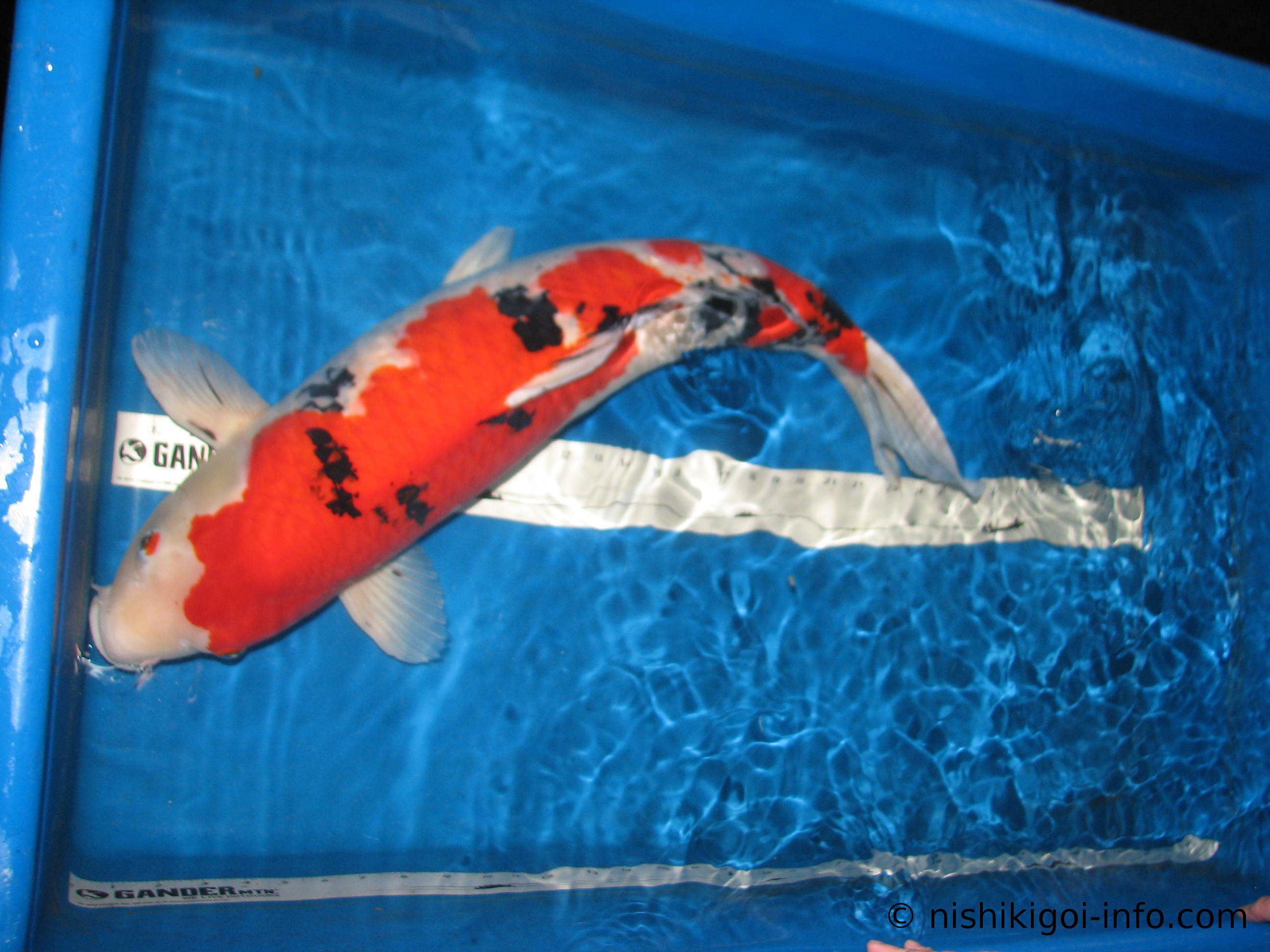
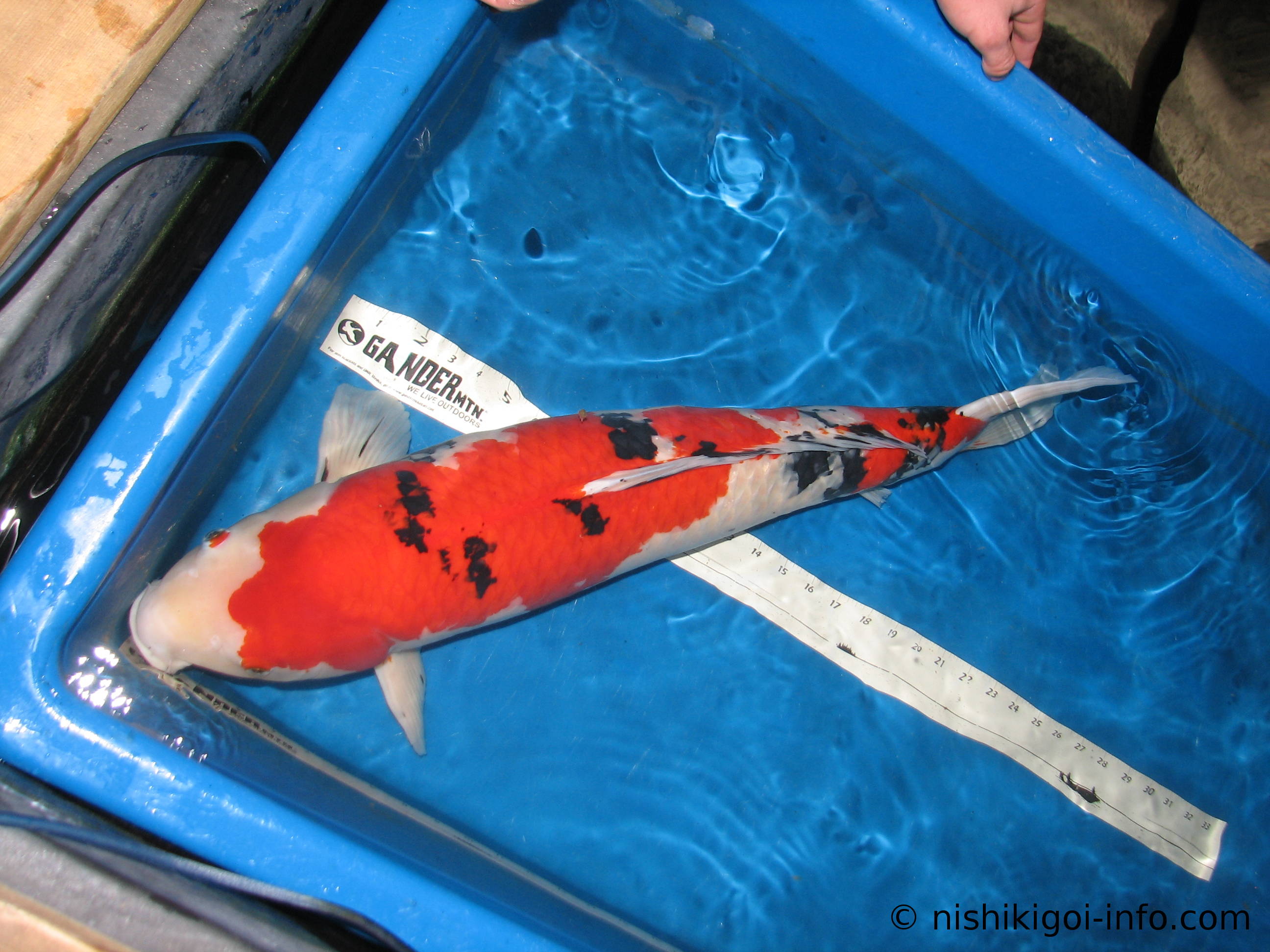
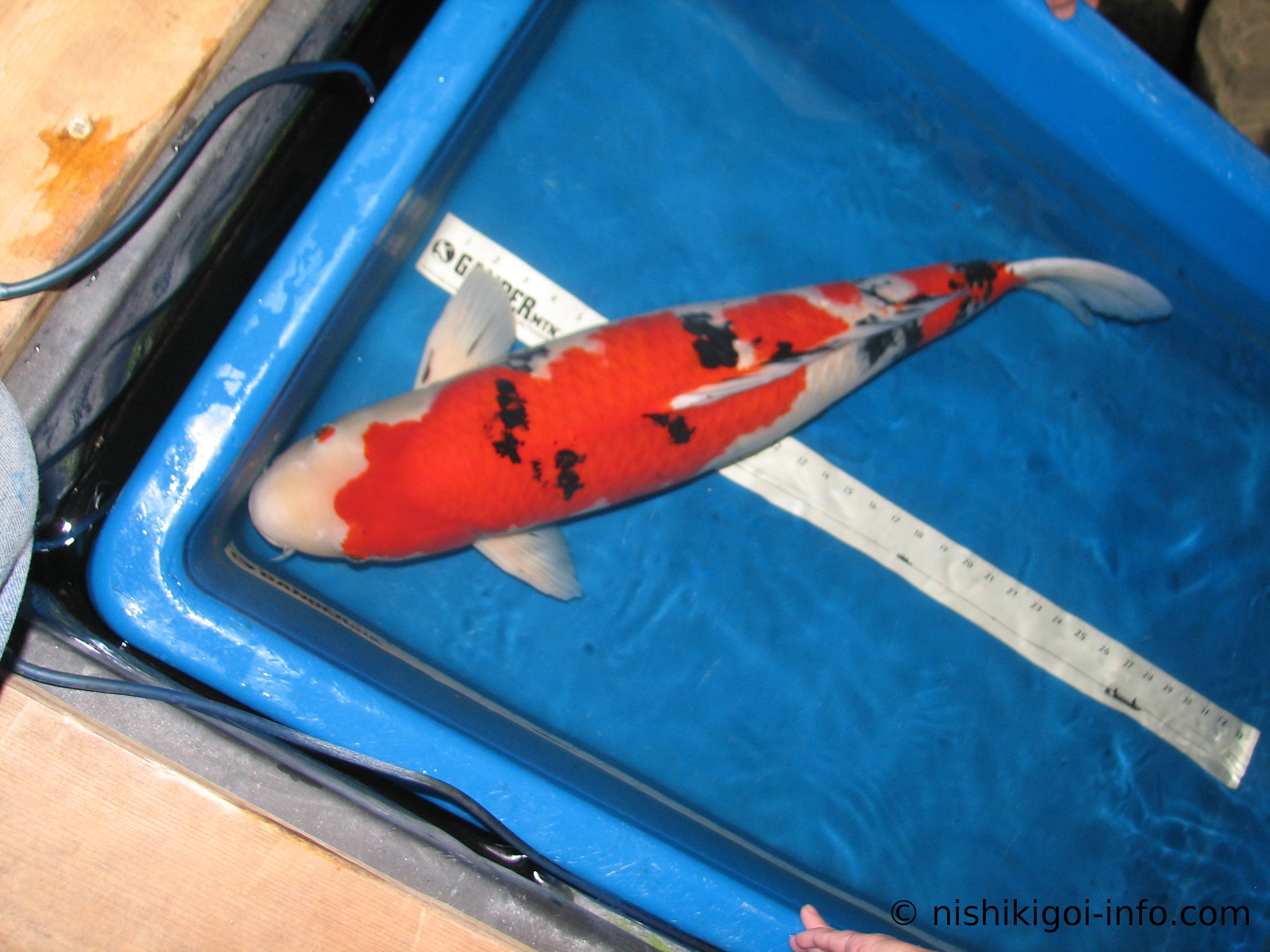
Sanke koi, formally known as Taisho Sanshoku, are white koi with red and black markings. They are one of the three major Gosanke varieties, together with Kohaku and Showa. A high-quality Sanke combines a clean white base, a balanced red pattern, and carefully placed black sumi markings.
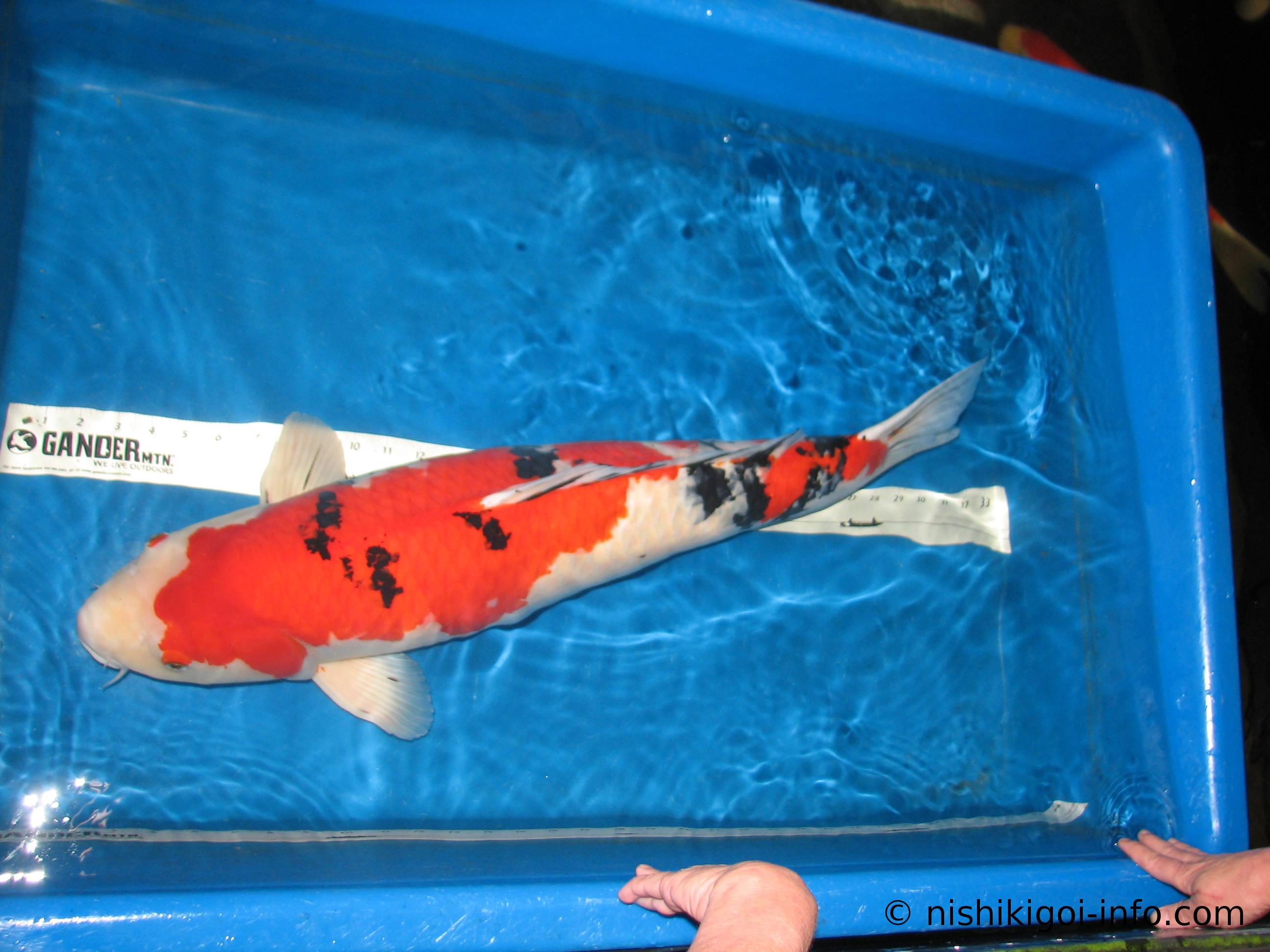
Sanke
Sanke Koi at a Glance
| Japanese Name | Taisho Sanshoku |
|---|---|
| Common Name | Sanke |
| Colors | White, red, and black |
| Base Color | White |
| Red Pattern | Hi or beni |
| Black Pattern | Sumi |
| Koi Group | Gosanke |
What Is a Sanke Koi?
Sanke, or Taisho Sanshoku, are tri-colored koi with a white base, red markings, and black markings. The variety is closely related in appearance to Kohaku because the red-and-white pattern forms the foundation, while black sumi adds contrast and balance.
How to Identify Sanke
The easiest way to recognize a Sanke is to start with the white base and red Kohaku-style pattern, then look for distinct black sumi markings placed mainly along the body. Traditional Sanke generally do not have black markings on the head.
- Shiroji: The white base should look clean and bright.
- Hi or beni: The red pattern should be even, balanced, and well defined.
- Sumi: The black markings should be deep, distinct, and placed to complement the red pattern.
- Head: Traditional Sanke should usually have no black sumi on the head.
Sanke vs. Showa: What Is the Difference?
Sanke and Showa both have red, white, and black, but the way those colors are arranged is different. Sanke are generally thought of as white-based koi with red and black markings, while Showa are traditionally black-based koi with red and white markings.
| Trait | Sanke | Showa |
|---|---|---|
| Base impression | White-based | Black-based |
| Black on head | Usually absent | Common |
| Black pattern | Often appears as distinct markings on the body | Often wraps more strongly around the body |
| Overall look | More like a Kohaku with added sumi | Heavier, more dramatic black pattern |
What Makes a High-Quality Sanke?
When selecting or judging a Sanke, look at the fish as a whole rather than judging each color separately. Body shape, skin quality, balance, color quality, and pattern placement all matter.
Body Shape
A strong Sanke should have a balanced, symmetrical body with a smooth transition from the head through the shoulders and a gradual taper toward the tail. Avoid obvious deformities, damaged fins, or an uneven body line.
White Base
The white, or shiroji, should appear clean and bright without obvious yellowing or blemishes.
Red Pattern
The red pattern should look solid and even. Clean edges help the pattern appear sharper and more finished. A balanced red pattern provides the visual foundation of a good Sanke.
Black Sumi
Sumi should be deep and distinct, with placement that enhances the overall balance of the fish. On younger koi, gray or bluish areas can sometimes develop into stronger black as the fish matures.
Common Sanke Variations
Aka Sanke
Aka Sanke have a heavier red pattern, sometimes with red extending more continuously along the body. This creates a different visual balance than a more traditionally patterned Sanke.
Tancho Sanke
Tancho Sanke have a single round red marking on the head and no other red markings on the body. Black sumi may still appear elsewhere on the fish.
Maruten Sanke
Maruten Sanke have a separate red marking on the head along with additional red patterning on the body.
Doitsu Sanke
Doitsu Sanke have reduced scaling or largely scaleless skin, which can make the red and black pattern appear especially crisp and bold.
How Sanke Patterns Develop
Sanke can change noticeably as they mature. Red may deepen, white skin can improve with age and care, and sumi may strengthen, recede, or emerge in new areas. This is one reason evaluating young Sanke involves both the current pattern and the potential for future development.
How to Choose a Sanke for Your Pond
Start with overall health and body quality before focusing on pattern. Look for an active fish with intact fins, smooth swimming, a balanced body, clean skin, and no obvious deformities. Once the fish passes the health check, compare the balance of the white, red, and black pattern.
Looking at many examples is one of the best ways to train your eye. Koi shows, breeder photos, and koi clubs can help you learn what experienced hobbyists and judges look for in strong Sanke.
Sanke Koi FAQ
What does Taisho Sanshoku mean?
Taisho Sanshoku is the formal Japanese name for Sanke. The term refers to a three-colored koi associated with the Taisho era.
What colors does a Sanke koi have?
Sanke have white, red, and black. The white is the base color, the red pattern is hi or beni, and the black pattern is sumi.
Should Sanke have black on the head?
Traditional Sanke generally do not have black sumi on the head. Black on the head is more commonly associated with Showa.
What is the difference between Sanke and Kohaku?
Kohaku have only red and white, while Sanke add black sumi markings to a red-and-white pattern.
What is the difference between Sanke and Showa?
Sanke are generally white-based with red and black markings, while Showa are traditionally black-based with red and white markings and often show black on the head.
Sanke Koi Gallery
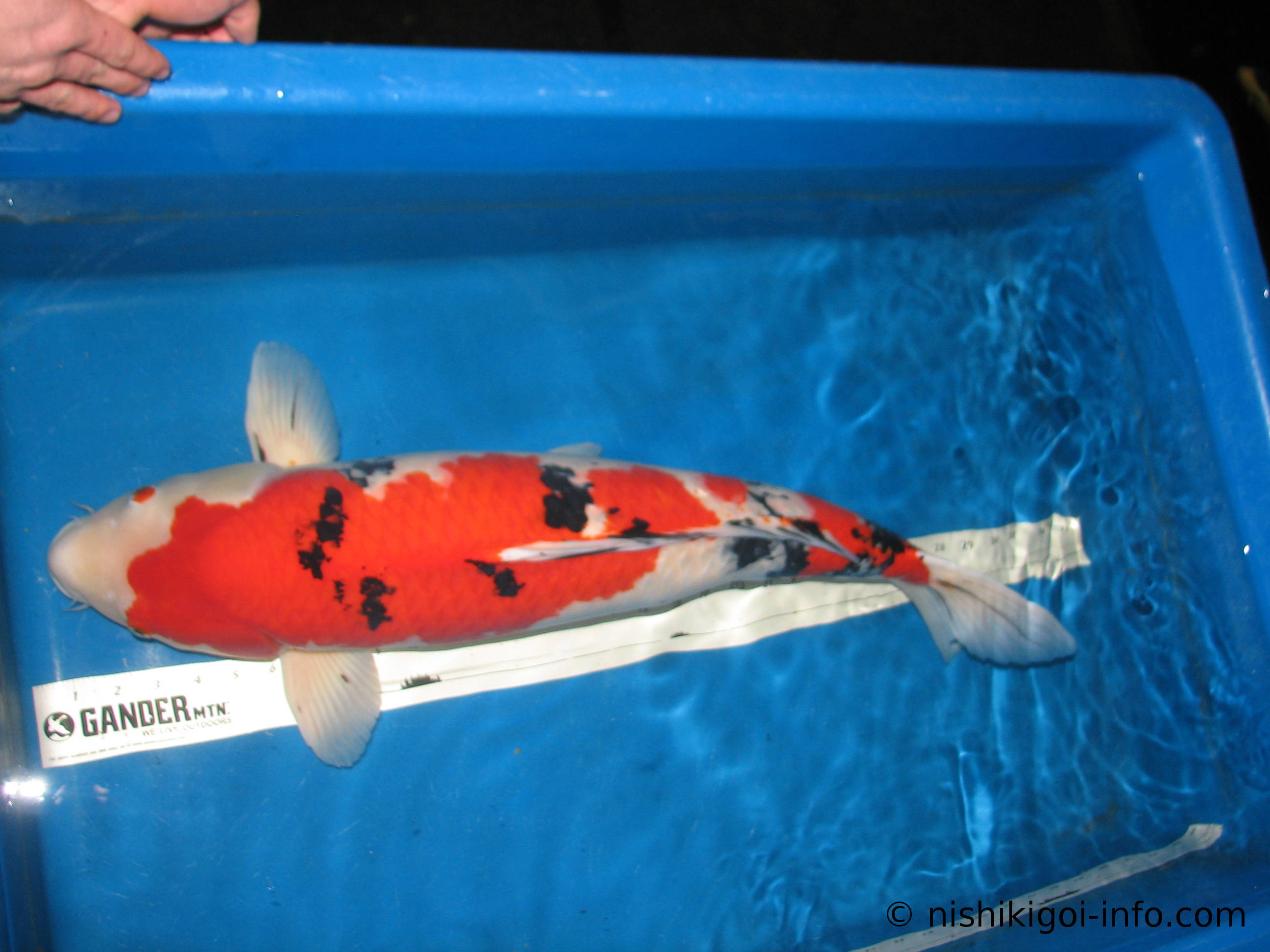 | 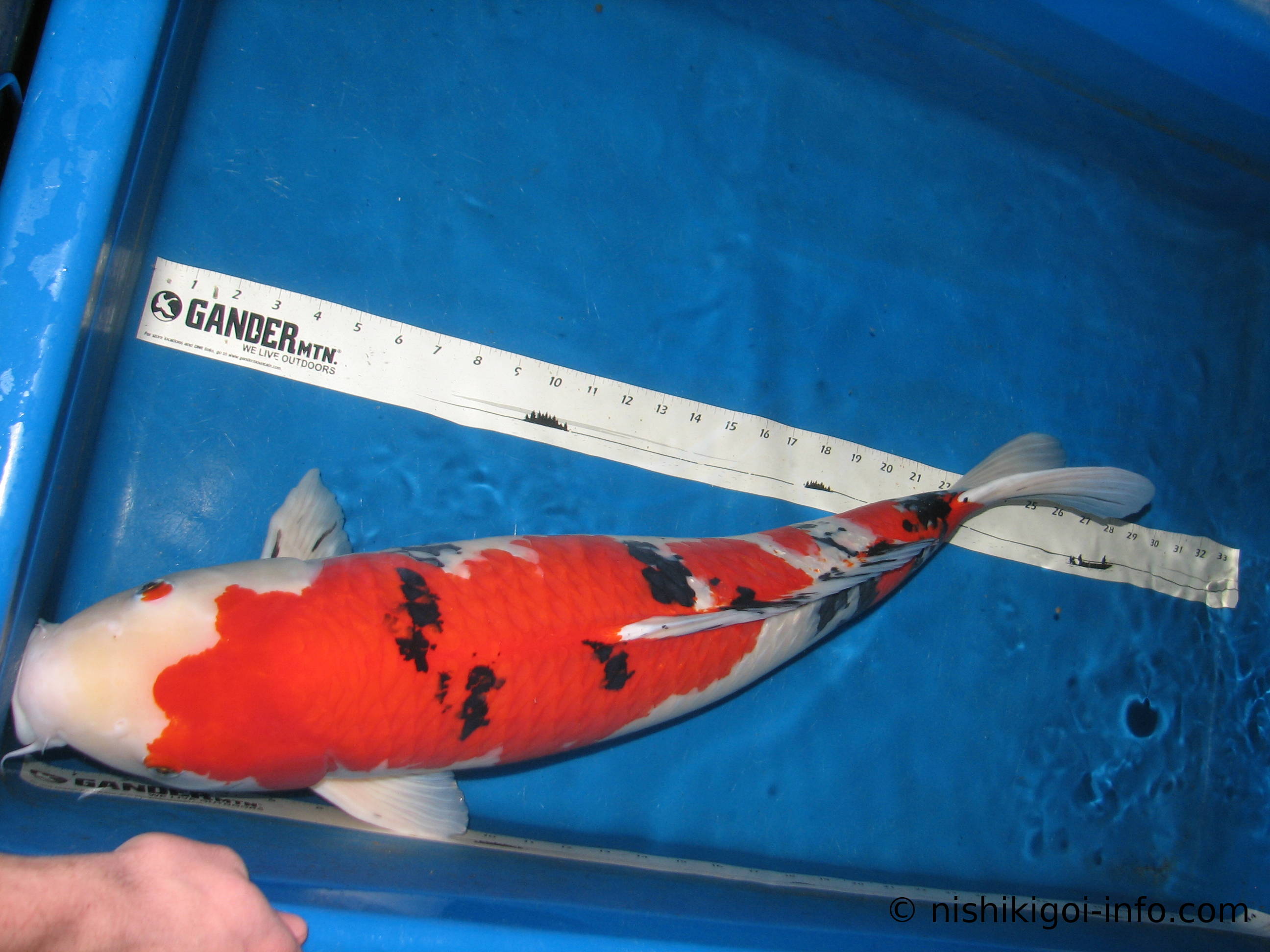 | 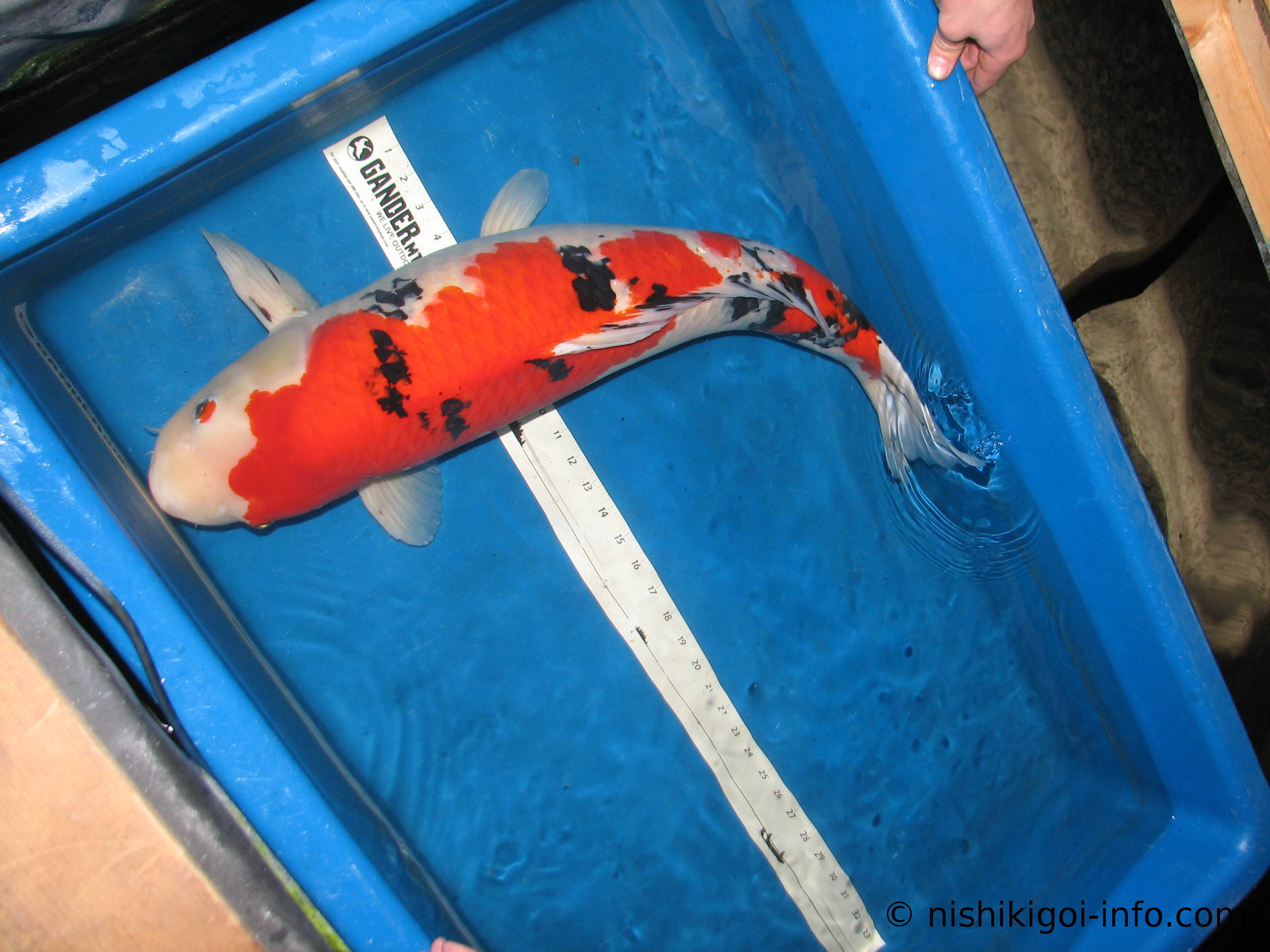 |
 |  |  |
 |  |  |
 |
Back to the Koi Types.